Quick · No. 2
0:00 / 0:30
Compactic started with a simple idea, but bringing it to life was anything but simple.
We travelled around looking for mechanical timers, carried materials across Berlin, drilled, built and rebuilt things, and set up a tiny recording studio in our flat.
There was a lot of experimenting, plenty of trial and error, and more manual work than we ever expected.
This is a little look behind the scenes of how Compactic came together.
We searched online, bought timers and clocks from private sellers, and travelled across Berlin and Brandenburg to pick them up.
Some surprised us with their sounds, others didn't work at all. Some even started ringing while they were still ticking, triggered by their own movement.
Every one had its own character, and not always in the way we expected.
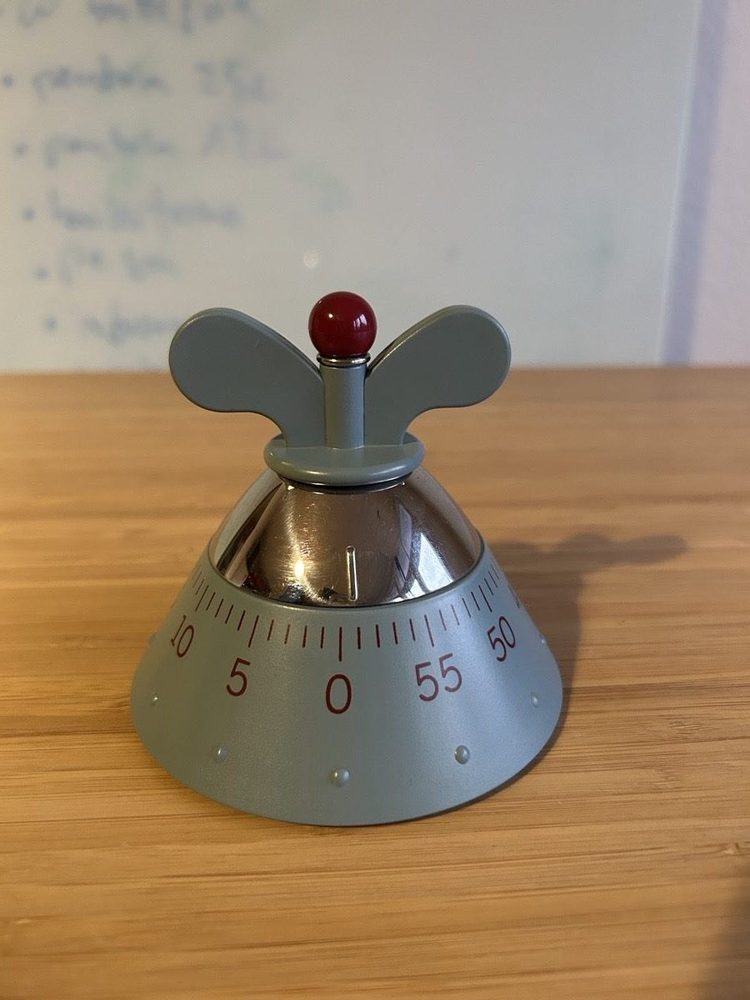
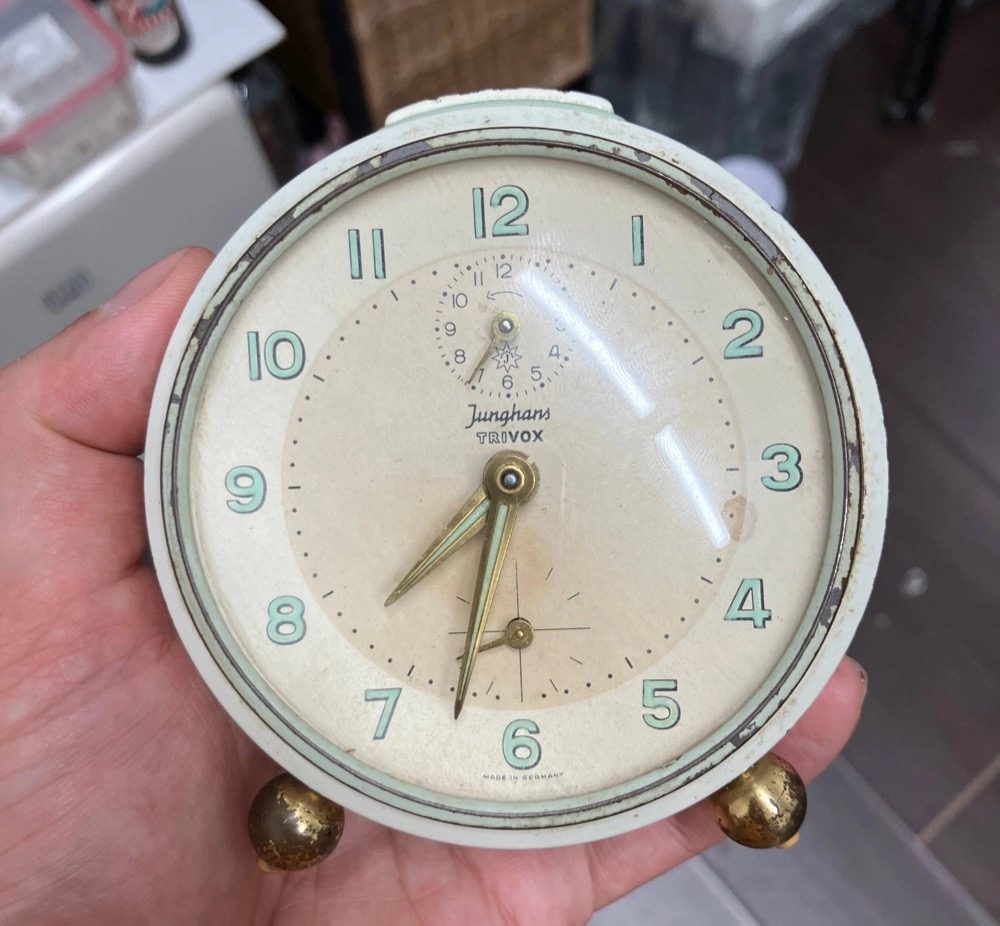
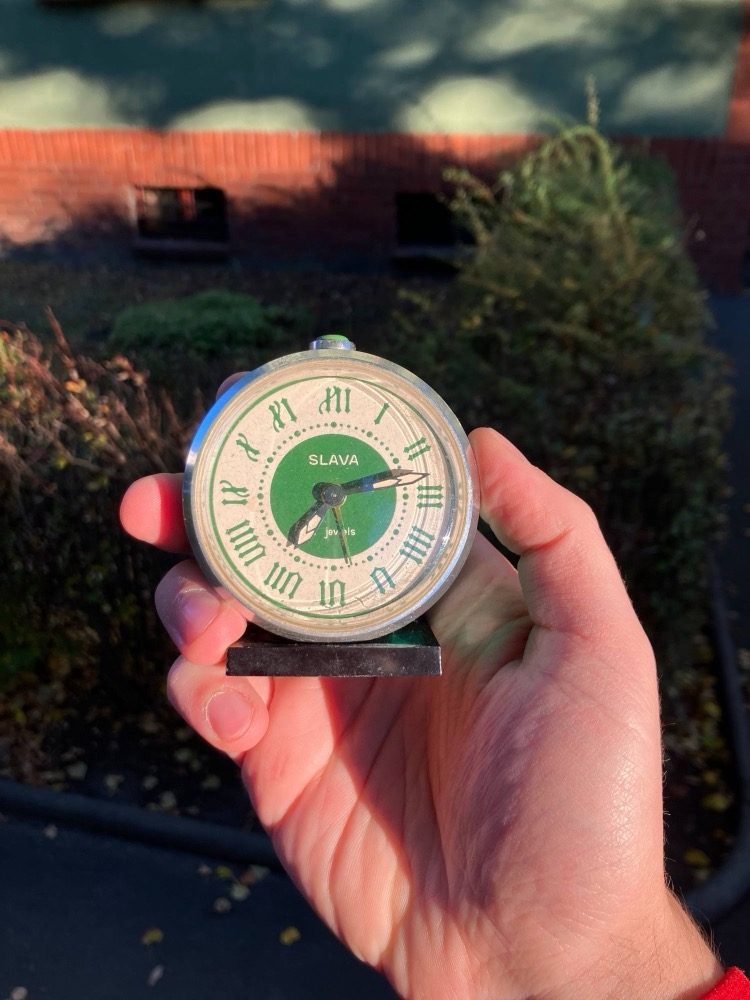
We needed a quiet place to record the ticks. So naturally, we started making a lot of noise.
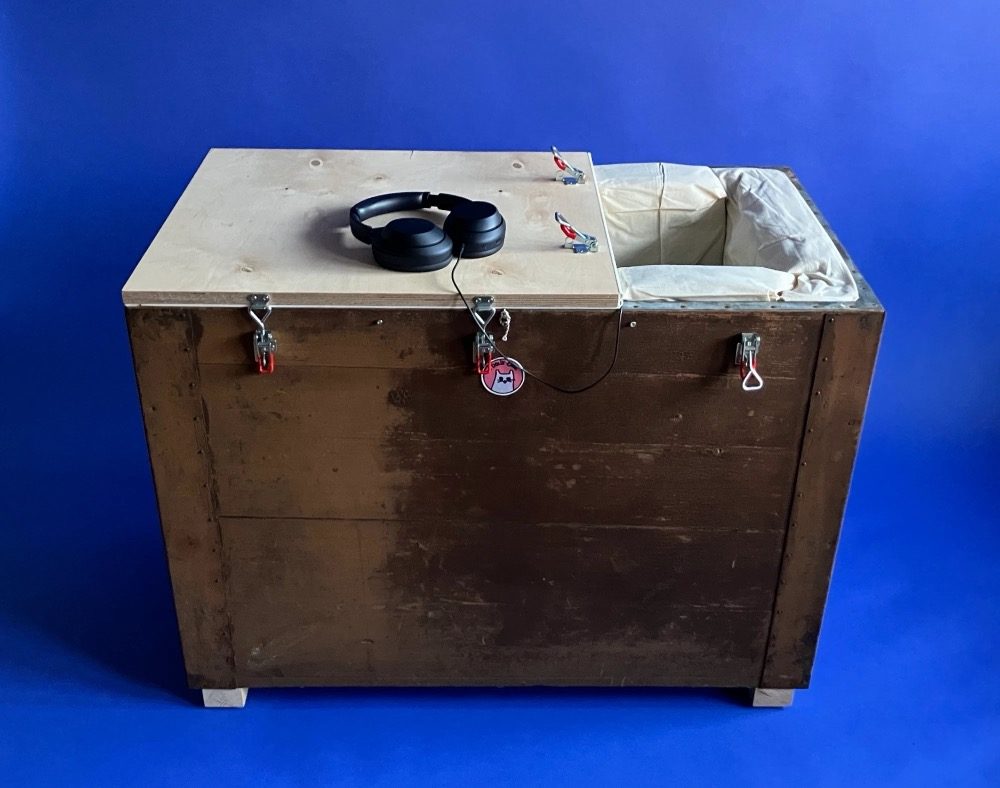
One Kleinanzeigen pickup, a few sketches, plenty of insulation, some hardcore drilling and several trips to get everything home later, we had our very own little recording booth. Right in our flat.
Was there an easier way to record all those clocks and timers? Probably. But where's the fun in that?
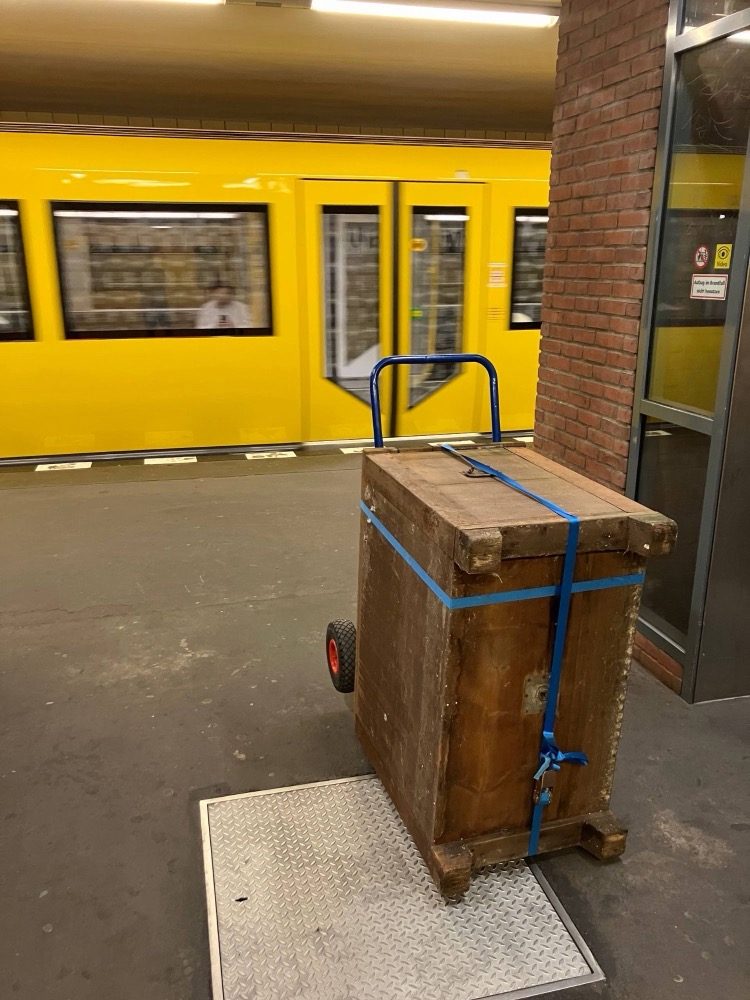
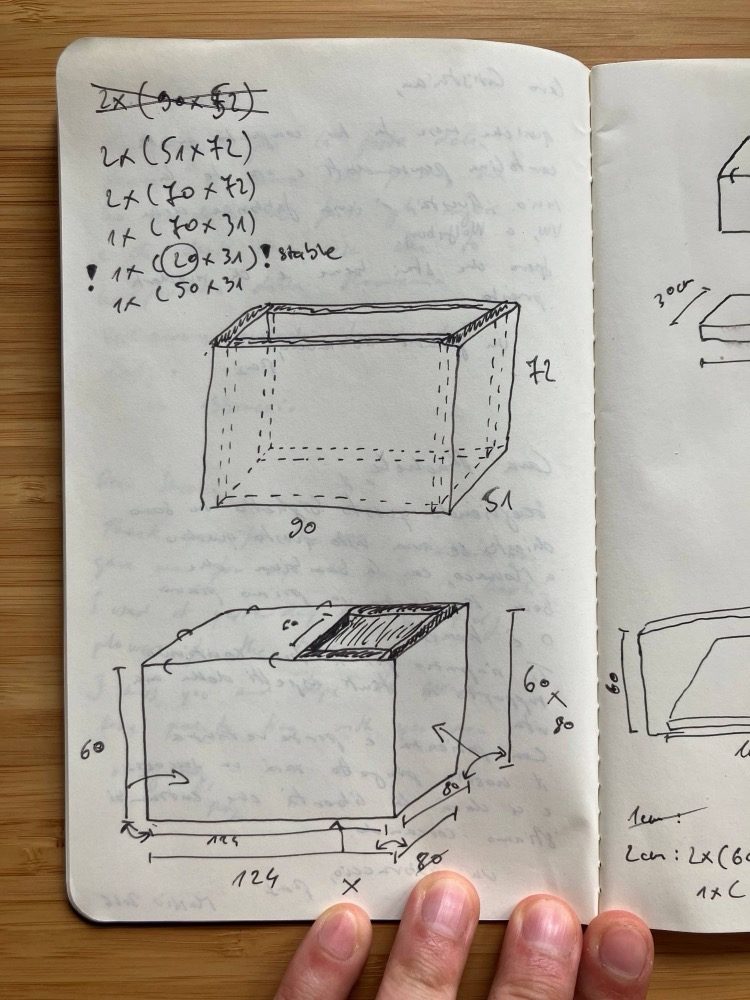
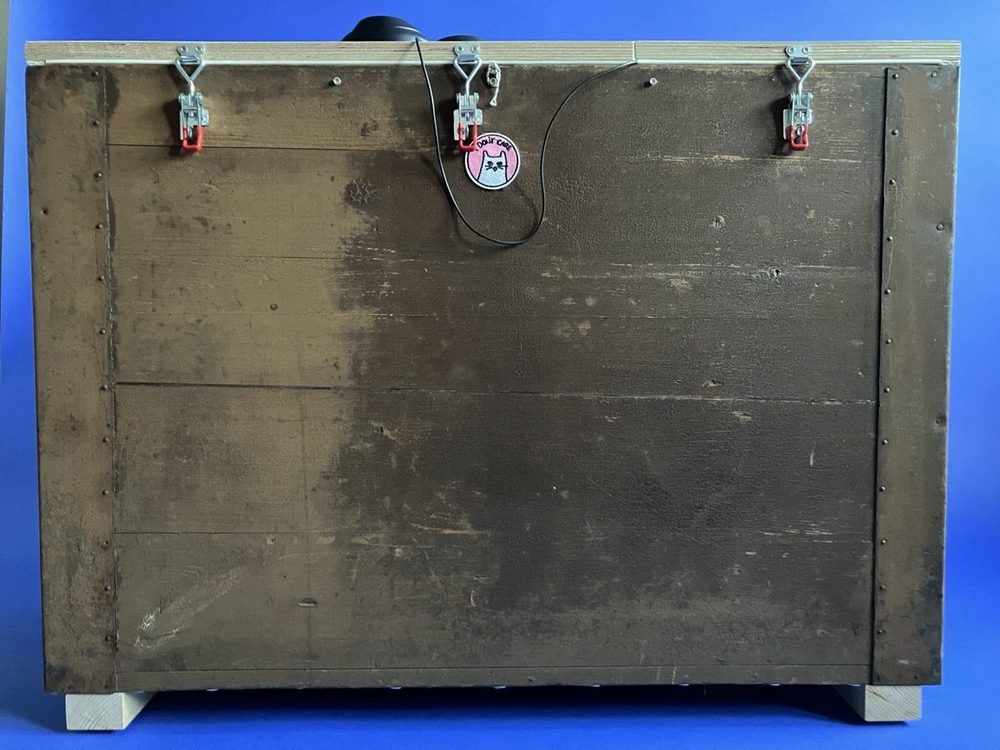
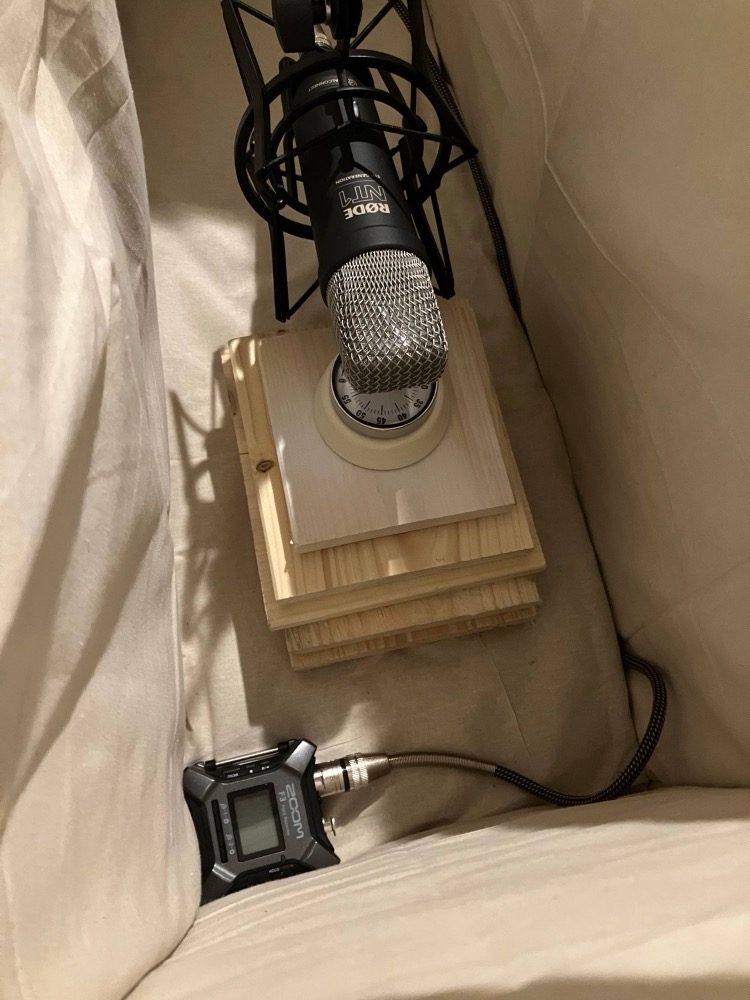
We kept the setup simple: a RØDE NT1 (5th gen) microphone, a Zoom F3 recorder, and a handmade recording box to keep outside noise away. Everything was recorded at 48 kHz, with plenty of testing along the way.
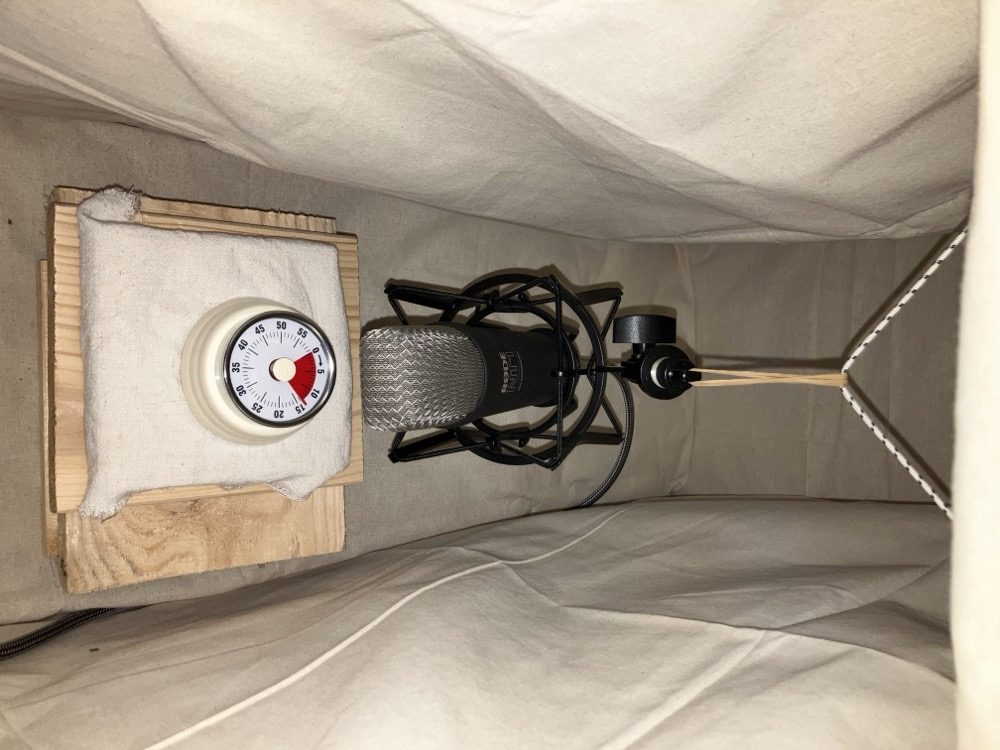
Ever listened to the same tick a hundred times? We have. Probably more.
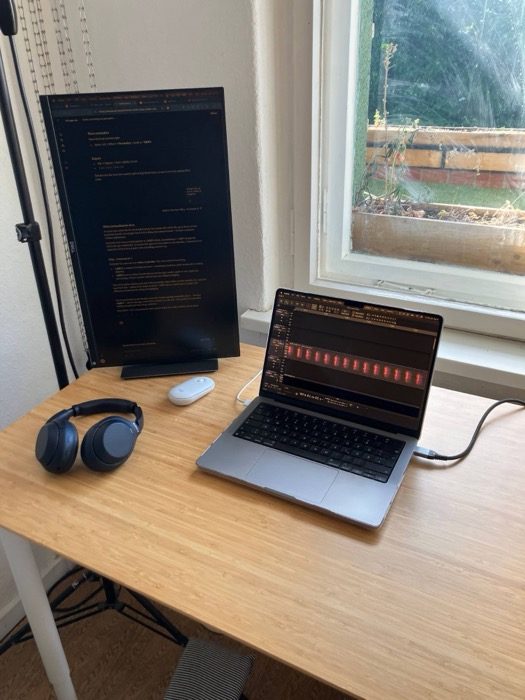
We cleaned up the recordings, found the right points to make them loop, and listened again. And again.
In the end, 21 original ticking recordings made it into Compactic. And as they say in German, jeder tickt anders.
Quick · No. 2
Quick · No. 3
Medium · No. 2
Medium · No. 4
Slow · No. 3
Slow · No. 5
Join the waitlist, or head back to learn more.